What a session can look like
Sessions are play and daily routines. Your family chooses the goals.
Content pending BCBA review


Small steps, through play
ABA stands for applied behavior analysis. We teach skills in small steps, through play and the routines of your day. We follow your child's lead, and we change the plan when it stops fitting.
- Asking for a turn
- Saying goodbye
- Getting dressed
- Waiting
- Trying a new food
Parents take part. You are on the team.
Play with a purpose
Every activity has a reason. We pick them with your family, and we change them when your child loses interest.
Puzzles and games at the table
Puzzles and board games give practice with taking turns, waiting, and trying again when a piece does not fit. Your child chooses the puzzle. The therapist sits at the same level and waits.


Building, sorting and moving
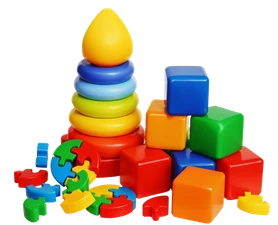
Stacking blocks, sorting shapes and rolling a ball back and forth give practice with following a short step, asking for a turn and finishing a task. A balance beam or a ball toss adds practice with moving the body. We pick activities your child likes.
Family and caregiver training
Families play a key part in how well ABA works. We train parents and caregivers and keep supporting you, so the strategies used in therapy continue at home and in everyday life. That consistency helps progress last.
Who supports your child
Your child has a clinician, a day-to-day therapist, and you.

A BCBA is a Board Certified Behavior Analyst. An RBT is a Registered Behavior Technician. BCBAs are certified by the Behavior Analyst Certification Board, and RBTs work under a BCBA's supervision.